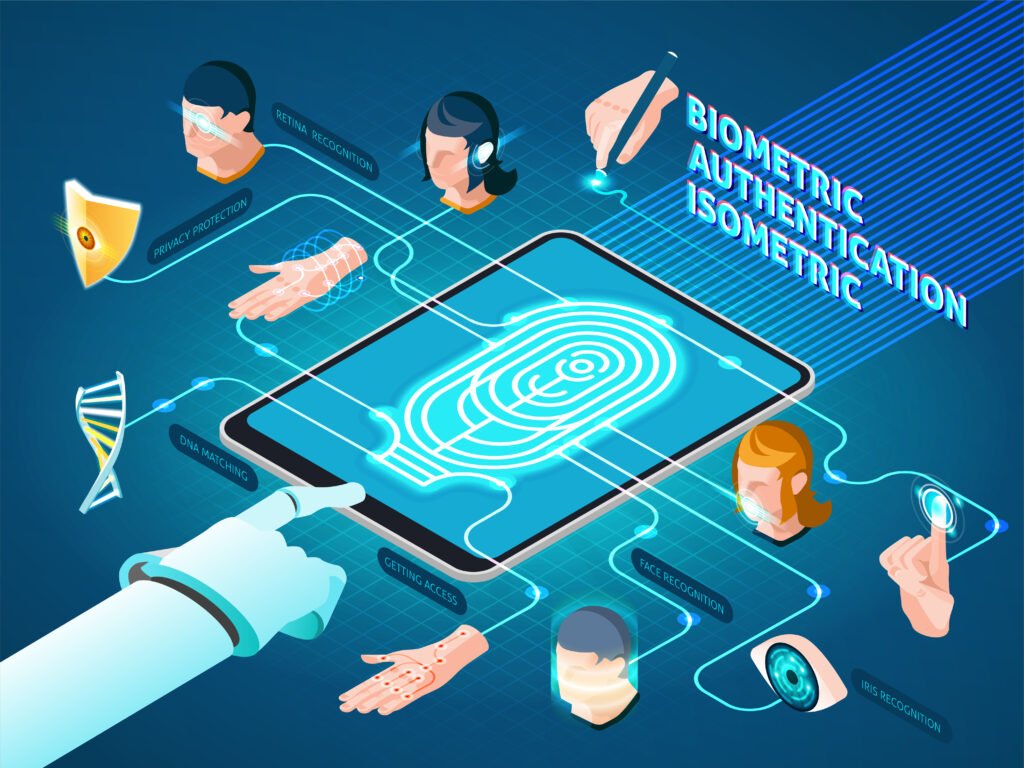
In an era where digital security is paramount, the limitations of traditional passwords and keys have become increasingly apparent. Passwords can be forgotten, stolen, or hacked. Keys can be lost, duplicated, or compromised. This is where biometric technology steps in, offering a secure and convenient alternative that authenticates based on who you are, not what you carry or remember.
Among the many biometric solutions available today, the Hamster Pro 20 from SecuGen stands out as a premier biometric device that combines advanced technology with rugged durability. As a high-quality USB biometric device, it delivers exceptional performance for applications ranging from computer security to enterprise access control systems.
In this comprehensive guide, we’ll explore everything you need to know about the Hamster Pro 20, how USB biometric devices work, and why The Next Gen Technologies is your ideal partner for implementing these cutting-edge security solutions.
Hamster Pro 20: The Ultimate Biometric Device
The Hamster Pro 20 represents SecuGen’s latest advancement in fingerprint recognition technology. This ultra-compact, high-quality USB biometric device has earned FBI certification for meeting FIPS 201 (PIV) and Mobile ID FAP 20 requirements, making it one of the most trusted fingerprint readers on the market .
What Makes Hamster Pro 20 Special?
The Hamster Pro 20 combines sophisticated technology with practical design to deliver exceptional performance. Let’s examine its standout features:
FBI Certification and Compliance
One of the most significant credentials of the Hamster Pro 20 is its FBI certification. This product was certified by the FBI as tested and in compliance with the FBI’s Next Generation Identification (NGI) Image Quality Specifications (IQS) . This certification ensures that the device meets the highest standards for fingerprint image quality, making it suitable for government and law enforcement applications.
Additionally, the Hamster Pro 20 is STQC certified for AADHAAR/UIDAI applications, expanding its utility for national identification programs .
Fake Finger Rejection Technology
Security is paramount in any biometric system. The Hamster Pro 20 includes advanced Fake Finger Rejection Technology designed to detect and reject spoofed fingerprints . This feature prevents unauthorized access using artificial fingers, gelatin molds, or other spoofing attempts, ensuring that only genuine fingerprints are accepted.
Rugged and Durable Design
The Hamster Pro 20 is built to withstand demanding environments. It features a rugged, high-performance, maintenance-free optical sensor that is resistant to scratches, impact, vibration, and electrostatic shock . With an IP54 rating for water and dust resistance, this biometric device can operate reliably in challenging conditions where other scanners might fail .
Advanced Imaging Technologies
The Hamster Pro 20 incorporates several proprietary technologies that enhance its performance:
- Auto-On™: Automatic finger detection technology that activates the scanner as soon as a finger touches the sensor (when used with apps built with SecuGen SDKs)
- Smart Capture™: Self-adjusting scanning technology that ensures quality imaging of difficult fingerprints, including dry, wet, scarred, or aged fingers, even in challenging environments
- Device Recognition™: Device authentication technology that verifies the scanner itself, adding an extra layer of security
- Latent Print Rejection: The scanner does not accept prior fingerprints left behind on the sensor, preventing accidental or fraudulent authentication
Fast and Accurate Verification
With a Smart Capture speed of just 0.2 to 0.5 seconds, the Hamster Pro 20 delivers rapid authentication without compromising accuracy . The device supports 360-degree fingerprint rotation, allowing users to place their finger in any orientation for convenient use.
Technical Specifications
For those who appreciate the technical details, here are the key specifications of the Hamster Pro 20 :
| Specification | Details |
|---|---|
| Model | HU20-AL (current model) |
| Image Resolution | 500 DPI |
| Image Size | 300 x 400 pixels |
| Platen Size | 18.2 mm x 23.1 mm |
| Sensing Area | 15.2 mm x 20.3 mm |
| Image Gray Scale | 256 levels (8-bit) |
| Smart Capture Speed | 0.2 ~ 0.5 seconds |
| Interface | USB 2.0 Hi-Speed |
| Dimensions | 53.9 mm x 58.5 mm x 31.6 mm |
| Weight | 98 grams |
| Cable Length | 1500 mm |
| Operating Temperature | -20°C to 65°C |
| Operating Humidity | 90% or less RH, noncondensing |
| Compliance | FCC, CE, KC, RoHS3, CB, WEEE, USB 2.0, STQC, WHQL |
Supported Operating Systems
The Hamster Pro 20 offers broad compatibility across multiple platforms :
- Windows: Windows 11 / 10 / 8.1 / 7, Windows Server 2022 / 2019 / 2016 / 2012 / 2008 R2
- Android: Android 3.1 and above
- Linux: Full Linux support
Notably, the Hamster Pro 20 works with Windows Hello right out of the box, enabling quick and secure fingerprint login to Windows 10 and 11 without a password .
USB Biometric Device: Understanding the Technology
A USB biometric device is a compact peripheral that connects via a USB interface to a computer or terminal, enabling secure user authentication through biometric recognition . These devices capture and analyze unique biological characteristics—most commonly fingerprints—and compare them against stored biometric data to verify identity.
How USB Biometric Devices Work
The operation of a USB biometric device follows a straightforward process :
- Enrollment: The user presents their biometric (fingerprint) to create a digital template. This template is a mathematical representation of the unique features of the fingerprint, not an actual image, and is stored securely.
- Authentication: Each time access is requested, the user’s live biometric is captured and matched against the stored template.
- Decision: If the match exceeds a pre-set accuracy threshold, the system grants access.
- Logging: Every access attempt is recorded for compliance, auditing, and analytics.
Types of Fingerprint Sensor Technologies
USB fingerprint readers utilize different sensor technologies, each with distinct advantages :
Optical Type
Optical scanners work by capturing a digital image of the fingerprint using light. They are the oldest and most mature technology.
Advantages:
- Cost-effective and widely available
- Durable with no moving parts
- Good image quality under optimal conditions
Limitations:
- Can be affected by dirt, moisture, and surface smudges
- May struggle with very dry or worn fingers
The Hamster Pro 20 uses advanced optical sensor technology with patented enhancements that overcome many traditional optical limitations .
Capacitive Type
Capacitive sensors use an array of tiny capacitors to measure the electrical differences between fingerprint ridges and valleys.
Advantages:
- High-resolution and accurate readings
- Compact design ideal for mobile devices
- More resistant to spoofing than basic optical sensors
Limitations:
- Can struggle with dry, wet, or damaged fingers
- More expensive than optical alternatives
Ultrasonic Type
Ultrasonic sensors represent the most advanced fingerprint technology, using high-frequency sound waves to create a detailed 3D map of the fingerprint.
Advantages:
- Creates 3D fingerprint maps for superior accuracy
- Highly resistant to spoofing
- Works through glass, metal, and OLED screens
- Effective with wet, dry, or dirty fingers
Limitations:
- Higher cost
- Slower processing than other types
Applications of USB Biometric Devices
USB fingerprint readers are widely used across numerous sectors :
| Application | Description |
|---|---|
| Access Control | Securing physical entry to offices, server rooms, labs, and residential complexes |
| Employee Attendance | Accurate time and attendance tracking that prevents buddy punching |
| Banking | Secure transaction authentication and customer verification |
| Healthcare | Protecting patient records and ensuring proper staff identification |
| Government Programs | National ID systems, border control, and social service delivery |
| Personal Computing | Password replacement for Windows login and application access |
Market Growth and Trends
The global market for USB fingerprint readers demonstrates strong growth. Valued at US$ 752 million in 2024, the market is forecast to reach US$ 1,268 million by 2031, growing at a CAGR of 8.6% .
Key market trends include :
- Increasingly stringent data security requirements across government, finance, healthcare, and education
- Growing acceptance of biometric authentication through standards like Windows Hello and FIDO2
- Rising demand for lightweight, highly secure local authentication terminals due to remote work trends
Benefits of Biometric Authentication
Enhanced Security
Biometric authentication significantly elevates security by using physical characteristics that are inherently unique to each individual. Since no two fingerprints are alike—even among identical twins—these systems drastically reduce the risk of unauthorized access .
Unlike passwords that can be guessed or stolen, or keys that can be lost or duplicated, fingerprints are always with you and extremely difficult to replicate. Advanced devices like the Hamster Pro 20 include liveness detection to prevent spoofing with fake fingers .
Convenience and Ease of Use
One of the most compelling advantages of biometric devices is their user-friendly nature. Users no longer need to memorize complex passwords or carry physical access cards. A simple touch provides instant authentication .
This eliminates password fatigue and reduces helpdesk calls related to forgotten credentials. In high-traffic environments, the time savings can be substantial.
Accountability and Non-Repudiation
Biometric systems provide true accountability because they verify the actual person, not just something they possess or know. When used as part of a comprehensive security program, fingerprint readers can help improve accountability and add true non-repudiation—users cannot deny their actions when verified by fingerprint .
Cost-Effectiveness
While early biometric systems were expensive, advancements have made them affordable and accessible. The long-term return on investment is significant due to reduced operational costs and improved security outcomes. Organizations save on costs related to password resets, lost key replacements, and fraud investigations .
Biometric Device Considerations and Best Practices
Privacy and Compliance
Biometric data is classified as personally identifiable information (PII) and is protected under various laws including GDPR in Europe, CCPA in California, BIPA in Illinois, and HIPAA in healthcare settings .
Best practices for biometric deployment include :
- Encrypting all stored templates
- Using on-card storage where possible
- Informing users and obtaining consent
- Avoiding storage of raw images—using mathematical templates only
- Processing and storing templates locally rather than in the cloud when possible
The Hamster Pro 20 supports fingerprint template encryption when using SecuGen’s proprietary template format, adding an extra layer of security .
When Biometrics Add the Most Value
Biometric access adds the most value when :
- Speed and hygiene are priorities (e.g., public facilities, clinics)
- Cards are routinely lost or shared (e.g., schools, construction sites)
- High-security assurance is required (e.g., pharma labs, executive offices)
- Regulatory environments demand strong identity proofing
Limitations to Consider
Situations where biometrics might not be ideal include :
- Remote, low-power sites
- Privacy-sensitive environments
- Cold or dirty environments where fingers may be consistently covered or dirty
- Aging populations where fingerprints may be worn
The Hamster Pro 20’s Smart Capture technology addresses many of these limitations by excelling at capturing difficult fingerprints, including dry, moist, aged, or scarred fingers .
The Next Gen Technologies: Your Trusted Partner for Biometric Solutions
When it comes to implementing biometric devices and comprehensive IT security solutions, The Next Gen Technologies stands out as a top company in the field. With a strong focus on innovation and customer satisfaction, they have established themselves as leaders in the biometric and technology services space.
Company Overview
The Next Gen Technologies specializes in providing cutting-edge technology solutions to businesses and organizations. Their expertise spans multiple areas including IT security, hardware diagnostics and repair, networking solutions, firewall management, and proactive IT monitoring.
Areas of Expertise
The Next Gen Technologies offers a comprehensive range of services:
- Dedicated Help Desk: Responsive support for all your technology needs
- On-site & Remote Service: Flexible support options to minimize disruption
- IT Security: Comprehensive security solutions including biometric authentication
- IT Audits: Thorough assessment of your technology infrastructure
- Hardware Diagnostics and Repair: Expert service for all your hardware needs
- IT Project Management: Professional oversight of technology initiatives
- Networking Solutions: Robust networking infrastructure design and implementation
- Firewall Management: Advanced security to protect your digital assets
- Proactive IT Monitoring: 24/7 monitoring to prevent issues before they occur
Why Choose The Next Gen Technologies
Experienced Team
The Next Gen Technologies employs a team of skilled professionals with deep expertise across various technology domains. Their employees bring years of experience to every project, ensuring high-quality results.
Comprehensive Solutions
Rather than offering isolated products, The Next Gen Technologies provides integrated solutions that address all aspects of your technology needs. From hardware to security to ongoing support, they are your single source for technology excellence.
Customer-Focused Approach
The Next Gen Technologies prioritizes customer satisfaction above all else. They take time to understand each client’s unique needs and develop tailored solutions that deliver real results.
Proven Track Record
With years of experience in the industry, The Next Gen Technologies has demonstrated their ability to adapt, innovate, and consistently deliver value to clients. Their longevity in a rapidly changing industry speaks volumes about their capabilities.
Visit The Next Gen Technologies
To learn more about The Next Gen Technologies and how they can help you implement biometric solutions including the Hamster Pro 20, visit their website at thenextgentechnologies.com. Their team is ready to assist with all your technology needs.
Future of Biometric Technology
The biometric technology landscape continues to evolve rapidly. Here are some trends shaping the future:
AI-Enhanced Matching
Artificial intelligence is increasingly being integrated into fingerprint recognition systems. AI-powered algorithms can improve recognition speed, reduce false rejections, and enhance anti-spoofing capabilities .
Multi-Modal Biometrics
The future of security likely lies in multi-modal biometrics—combining multiple biometric factors like fingerprints, facial recognition, and iris scanning. This approach provides multiple layers of security, making unauthorized access virtually impossible .
Contactless Biometrics
Contactless biometric solutions are gaining traction, particularly in healthcare and public settings where hygiene is a concern. Advanced optical and ultrasonic technologies are enabling accurate fingerprint capture without requiring direct contact with the sensor .
Enhanced Template Security
New approaches like Biometric Derived Key (BDK) technology are emerging, which use fresh biometric captures to generate ephemeral, revocable cryptographic keys that eliminate the need to store templates altogether .
Conclusion
Biometric technology has transformed the security landscape, offering a perfect blend of robust protection and user convenience. The Hamster Pro 20 from SecuGen represents the best of this technology, combining FBI-certified quality, advanced features like Fake Finger Rejection and Smart Capture, and rugged durability that withstands demanding environments.
As a premier USB biometric device, the Hamster Pro 20 delivers exceptional performance for applications ranging from basic computer security to enterprise access control, time and attendance tracking, and government programs. Its ability to handle difficult fingers, resist environmental challenges, and integrate seamlessly with Windows, Android, and Linux systems makes it a top choice for organizations worldwide.
When you’re ready to implement biometric solutions, partnering with the right technology provider is crucial. The Next Gen Technologies brings extensive experience, comprehensive expertise, and a customer-focused approach to every project. From initial consultation to implementation and ongoing support, they are your trusted partner for all things technology.
Visit thenextgentechnologies.com today to learn more about how biometric devices can enhance your security posture and streamline your operations. The future of authentication is here—make it part of your world today.
Frequently Asked Questions
1. What is the Hamster Pro 20 biometric device?
The Hamster Pro 20 is SecuGen’s ultra-compact, high-quality USB fingerprint reader that is FBI Certified as meeting FIPS 201 (PIV) and Mobile ID FAP 20 requirements . It features advanced technologies including Fake Finger Rejection, Auto-On™ automatic finger detection, and Smart Capture™ for scanning difficult fingerprints . It’s widely used for authentication, identification, and verification in applications ranging from computer security to enterprise access control.
2. What operating systems does the Hamster Pro 20 support?
The Hamster Pro 20 supports Windows 11/10/8.1/7, Windows Server 2022/2019/2016/2012/2008 R2, Android 3.1 and above, and Linux . It works with Windows Hello out of the box for password-free login to Windows .
3. What is the difference between optical, capacitive, and ultrasonic fingerprint scanners?
Optical scanners capture a 2D image of your fingerprint using light—they’re cost-effective but can be affected by dirt or moisture. Capacitive scanners use electrical current to create a detailed map of fingerprint ridges and valleys—they’re more secure and common in smartphones. Ultrasonic scanners use sound waves to create a 3D map of your fingerprint, including sub-surface details—they’re the most secure and work well even with wet or dirty fingers . The Hamster Pro 20 uses advanced optical sensor technology with patented enhancements that overcome many traditional optical limitations .
4. Can fingerprint scanners be fooled by fake fingerprints?
Basic optical scanners can sometimes be fooled by high-quality fingerprint replicas. However, modern scanners include liveness detection features to prevent this. The Hamster Pro 20 includes advanced Fake Finger Rejection Technology designed to detect and reject spoofed fingerprints, such as artificial fingers or gelatin molds . Combined with features like latent print rejection and optional template encryption, it provides robust protection against spoofing attempts.
5. What are the main applications for USB biometric devices?
USB biometric devices are widely used for access control (securing entry to offices, server rooms, and labs), employee attendance tracking, banking transaction authentication, healthcare patient record security, government programs (national ID, border control), and personal computer security (replacing passwords) . The global market for these devices is growing rapidly, driven by increasing security requirements across all these sectors .